Everything You Need to Know About Drunken Noodles

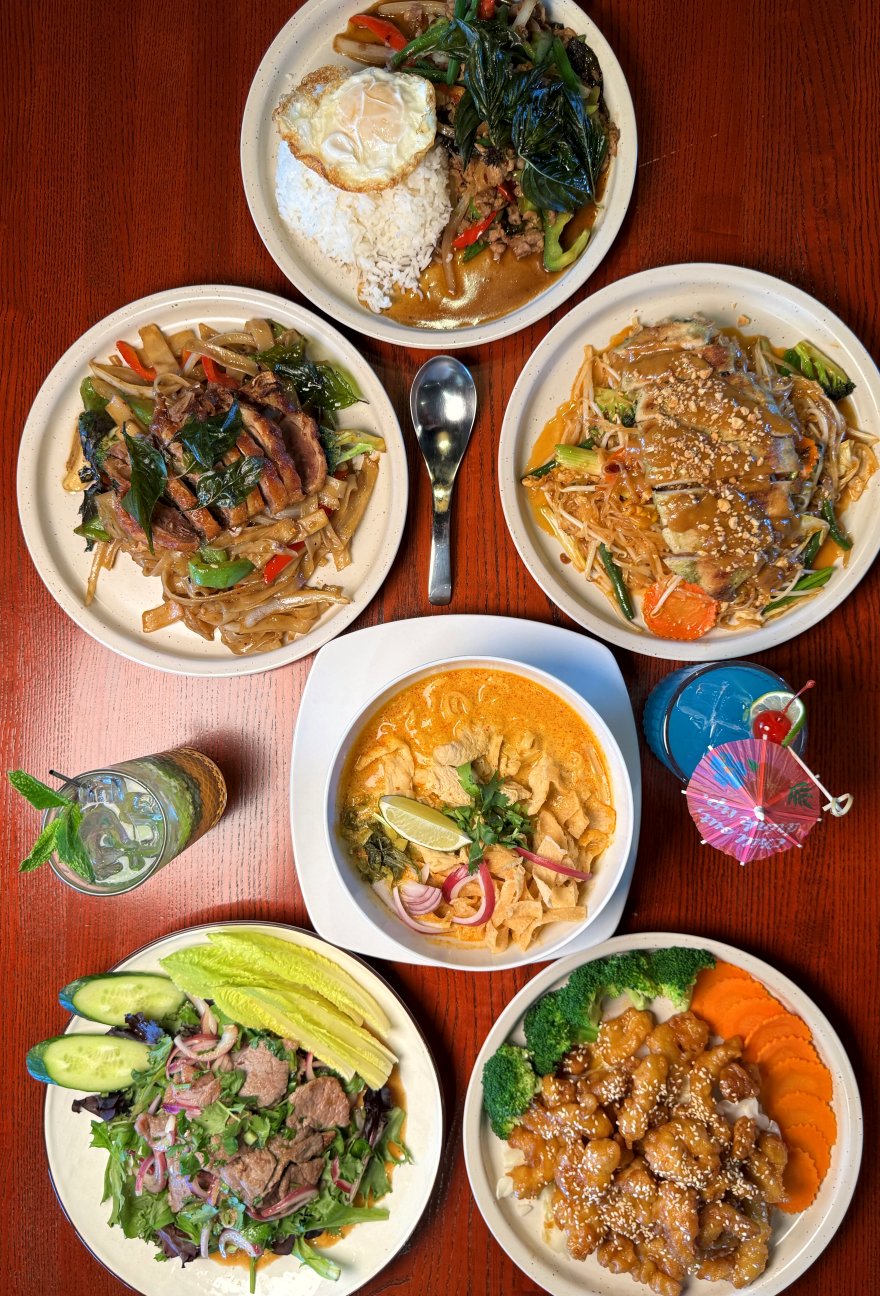
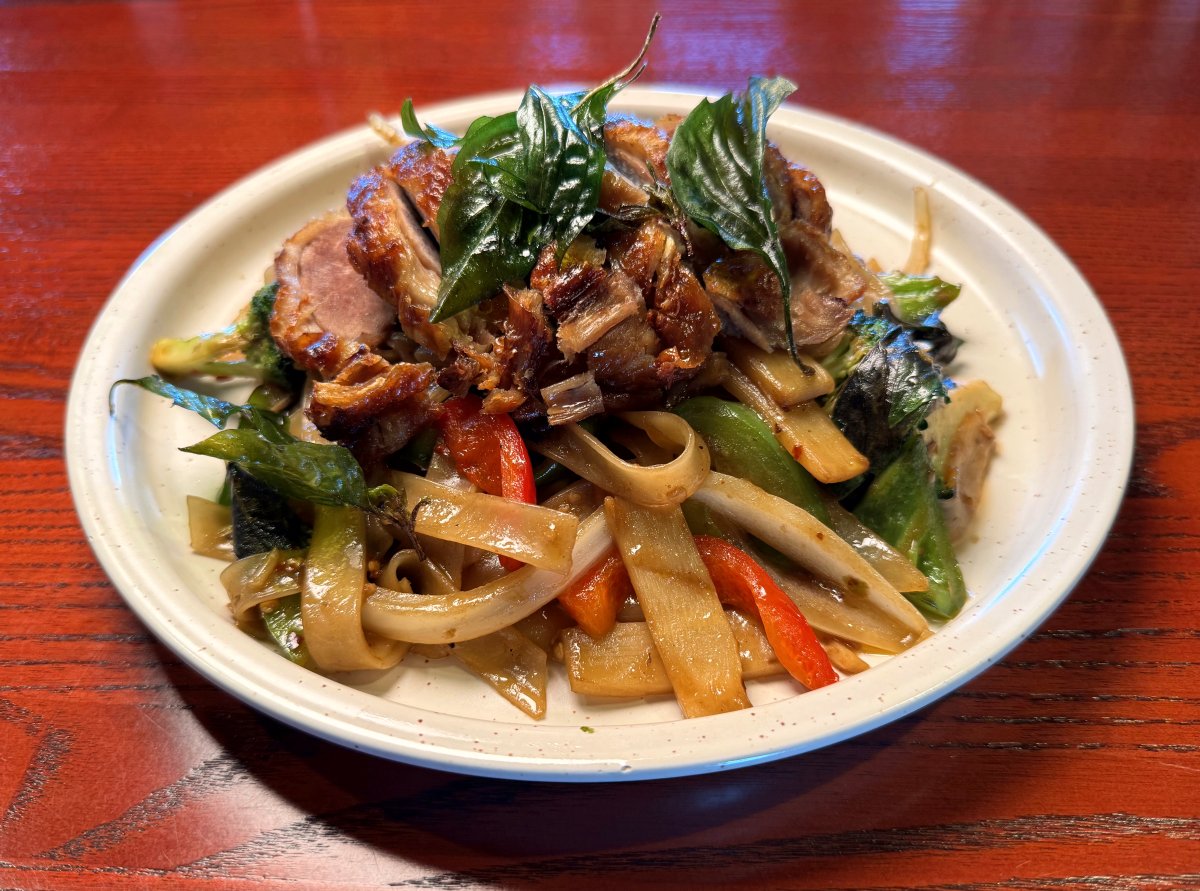
Drunken Noodles are one of those dishes that reveal their character almost immediately. The aroma hits first, hot basil and seared soy, then the visual cue of broad rice noodles slicked with sauce and tangled with chilies, onion, and vegetables. The first bite usually confirms what the smell suggested: this is a dish built for impact. It is savory, spicy, faintly sweet, smoky around the edges, and satisfying in a way that quieter noodle dishes rarely are.
For many diners outside Thailand, Drunken Noodles sit in the same mental category as pad Thai or pad see ew, a dependable item on a takeout menu. That shorthand misses what makes the dish distinctive. Properly made, it has a rougher, more expressive personality than either of those staples. It is less tidy, less restrained, and far more dependent on heat control and timing. A plate can go from flat to memorable based on a few small decisions in the pan.
The Thai name most often associated with Drunken Noodles is pad kee mao. Translations vary, and so do the stories behind the English nickname. Some say the dish is so spicy it pairs well with beer. Others insist it is the ideal food for someone coming home late and hungry after a night out. Another explanation points to the kind of improvised, clear-the-kitchen cooking that often happens when judgment is looser and appetite is stronger. What matters more than any single origin story is that the name stuck, and the dish now carries a reputation that is deserved when the cooking is good.
What Drunken Noodles actually are
At its core, Drunken Noodles are stir-fried wide rice noodles cooked over high heat with a sauce that leans heavily on salty and umami notes, fresh chilies, garlic, vegetables, protein if desired, and holy basil when available. The noodles should be tender but not mushy. The vegetables should retain some texture. The basil should wilt just enough to perfume the dish without disappearing entirely. The sauce should coat rather than pool.
That sounds simple, but simplicity can be deceptive. Wide rice noodles are not forgiving. They tear if handled too aggressively, clump if they sit too long, and stick if the pan is not hot enough. Basil scorches if added too early. Sugar can help balance heat, but too much turns the dish blunt and sticky. Dark soy adds color and depth, yet excess leaves a muddy finish. A cook has to move quickly and know what the noodles look like in the seconds before they become overdone.
This is one reason restaurant versions vary so widely. A kitchen with strong burners and a seasoned wok can produce the charred edges and fleeting smokiness people often remember. A weaker setup may yield something softer, wetter, and sweeter. That does not make the second version inedible, but it does change the dish from something vivid to something merely convenient.
The flavor profile that makes the dish memorable
A good plate of Drunken Noodles is not just spicy. Heat matters, but it is only one layer. The deeper appeal comes from contrast. You want salinity from soy and fish sauce, sweetness in support rather than control, bitterness and perfume from basil, freshness from vegetables, and a touch of caramelized depth from the pan. The best versions feel energetic, not heavy.
There is also a textural rhythm that separates great Drunken Noodles from average ones. The noodles are soft and slippery, but not limp. Bell peppers or long beans bring snap. Onion adds sweetness and a little crunch if it is not overcooked. Protein, whether chicken, pork, shrimp, beef, tofu, or a combination, should be integrated rather than dropped on top as an afterthought. Every forkful or chopstick grab should carry multiple textures and a little unpredictability.
That unpredictability is part of the dish’s charm. Pad Thai often aims for consistent balance in every bite. Drunken Noodles are more dynamic. One mouthful may be basil-heavy and fragrant. The next might hit with a chili spike or a dark, savory patch of sauce clinging to a folded noodle. When people describe the dish as bold, that is usually what they mean.
Why the noodles matter so much
If you ask cooks what makes or breaks Drunken Noodles, many will answer with one word: noodles. The broad rice noodles usually used for the dish are sometimes sold fresh, sometimes refrigerated, and sometimes dried. Fresh is often best because it gives the right chew and pliability, but freshness alone is not a guarantee. Fresh noodles that have compacted in the package can be difficult to separate without tearing. Dried noodles can work well when soaked and handled properly, though the final texture may be a touch firmer.
There is a sweet spot in noodle texture that is easy to miss. Underhydrated noodles resist the sauce and feel chalky at the center. Overcooked noodles absorb too much liquid and collapse into a gummy mass. The target is a noodle with resilience, one that bends generously but still holds shape when tossed.
Home cooks often run into trouble here because they try to do too much in one pan at once. Wide rice noodles need space. If they are crowded with vegetables and protein before the pan is truly hot, they steam instead of fry. The result is sticky and flat. In restaurant kitchens, a cook can rely on a powerful flame and a practiced sequence. At home, the best results usually come from restraint, smaller batches, and patience.
The role of holy basil, and what happens when it is missing
Many versions of Drunken Noodles outside Thailand use Thai basil, and sometimes even Italian basil, because holy basil can be difficult to source. This substitution is understandable, but it changes the dish. Holy basil has a sharper, more peppery, almost clove-like quality that gives pad kee mao much of its signature aroma. Thai basil is sweeter and more anise-like. Italian basil is softer and greener, pleasant but less convincing in this context.
If holy basil is unavailable, Thai basil is generally the better substitute. It keeps the dish in the right family even if the profile shifts. Good cooks compensate by adjusting other elements, perhaps leaning a little more on fresh chili and garlic to keep the dish from tasting too round or too gentle.
This is one of those places where experience matters more than rigid authenticity arguments. Ingredient access differs. Restaurants adapt. Home cooks improvise. The issue is not whether every plate meets a single perfect standard. The issue is whether the cook understands what the missing ingredient would have contributed and adjusts thoughtfully rather than pretending nothing changed.
Spice, and the myth that hotter is always better
Drunken Noodles have a spicy reputation, but heat should sharpen the dish, not erase it. When chilies dominate completely, the basil gets lost, the sauce tastes one-note, and the noodles become a delivery system for pain rather than flavor. That can still attract a certain kind of diner, but it is not the most interesting expression of the dish.
Different chilies produce different results. Fresh bird’s eye chilies bring clean, immediate fire. Milder fresh chilies can provide volume and fruitiness without overwhelming everything. Chili pastes or dried flakes sometimes appear in adapted versions, but they shift the profile and can make the sauce thicker or more opaque.
A useful rule in professional kitchens is that spice should build rather than bludgeon. The first bite should announce itself. The third or fourth should make you notice the heat settling in. If the very first mouthful wipes out your palate, the rest of the plate has little room to speak.
Common proteins, and how each changes the dish
Chicken is probably the most common restaurant option, partly because it is familiar and partly because it absorbs sauce well without competing with the noodles. Pork works beautifully too, especially slightly fatty cuts that stay tender over high heat. Beef can be excellent, though it benefits from careful slicing and quick cooking so it does not toughen. Shrimp brings sweetness and a lighter texture. Tofu, when properly browned, makes a convincing vegetarian base rather than a compromise.
What matters is not just which protein is used, but how it is handled. Overcrowding the wok is a frequent mistake, particularly with watery ingredients like shrimp or marinated tofu. Excess moisture cools the pan and prevents the sauce from reducing properly. The dish then tastes diluted, and the noodles absorb liquid unevenly.
A memorable restaurant version I once watched being made used sliced pork shoulder rather than lean pork loin. The difference was obvious. The shoulder rendered slightly at the edges, picked up the wok’s heat, and contributed richness without turning greasy. It was the kind of small, practical choice that explains why one plate lingers in memory while another disappears from it.
How Drunken Noodles differ from similar Thai noodle dishes
People often confuse Drunken Noodles with pad see ew because both commonly use broad rice noodles. The confusion makes sense visually, but the eating experience is different. Pad see ew usually highlights sweetness, soy depth, and gentle smokiness, often with Chinese broccoli and a more restrained chili presence. Drunken Noodles push harder on spice, basil, and aromatic punch.
Pad Thai differs even more. Its tamarind tang, peanut garnish in many versions, and sweet-sour balance place it in a separate category. Pad Thai is often carefully calibrated. Drunken Noodles feel looser and more urgent.
If you are deciding between them, this comparison helps:
- Choose pad see ew if you want mild, savory comfort with a little sweetness.
- Choose pad Thai if you want sweet, sour, and nutty balance.
- Choose Drunken Noodles if you want basil, chilies, and a stronger savory edge.
- Choose a basil-heavy version of Drunken Noodles when aroma matters as much as heat.
That final point is worth underscoring. A lot of mediocre plates try to win with chili alone. The better ones are recognizable from the basil before you even taste them.
The restaurant version versus the homemade version
Drunken Noodles can be excellent at home, but the home version and the restaurant version are not always aiming at the same target. Restaurant burners produce intense heat that most domestic stoves simply cannot match. That affects searing, evaporation, and speed. The noodles spend less time in the pan, which preserves texture. Sauces reduce quickly instead of soaking into everything. Vegetables char in spots but stay crisp.
At home, the path to a satisfying plate is usually adjustment rather than imitation. Smaller batches help. A large skillet sometimes works better than a crowded wok because it gives more surface area and is easier to manage on a standard burner. Prepping everything before heat starts is essential because once the garlic hits oil, the margin for delay disappears.
Homemade Drunken Noodles also invite experimentation, sometimes to a fault. Broccoli, carrots, mushrooms, baby corn, and even zucchini find their way in depending on the kitchen. Some additions work well. Others release too https://myleshgnt642.scriblorax.com/posts/one-pan-drunken-noodles-for-quick-homemade-meals much water or pull the flavor in a different direction. The safest approach is to think in terms of structure. Ask whether an ingredient contributes crunch, sweetness, moisture, bitterness, or bulk. If it only adds volume without helping texture or flavor, it probably does not belong.
How to recognize a strong plate when you order one
Not every restaurant version is built the same way, and menu descriptions rarely tell the full story. Still, there are clues that suggest care in the kitchen.
- The noodles should look glossy and distinct, not matted into a single block.
- Basil should be visibly present and fragrant, not reduced to green flecks.
- Vegetables should retain shape and color rather than appearing stewed.
- The sauce should cling lightly, with no watery puddle at the bottom.
- A slight char or seared aroma is a very good sign.
If a plate arrives uniformly dark brown, very sweet, or overloaded with sauce, it is often a signal that the balance is off. If the dish tastes mainly of sugar and soy, you are getting something closer to a generalized stir-fry than a well-executed Drunken Noodles preparation.
One practical note for takeout: this dish travels less gracefully than some other noodle options. Wide rice noodles continue softening in residual heat, especially in tightly sealed containers. By the time they reach your table, they may have lost some of the spring and separation they had at the stove. If you are judging a restaurant fairly, dine in when possible.
The question of authenticity
Authenticity debates around Thai food can become loud and unhelpful very quickly. Drunken Noodles are a useful example of why nuance matters. There is no single universal plate that every Thai cook agrees upon in every region, household, and restaurant. Ingredient availability, local preferences, and kitchen style shape the final dish. Even within Thailand, names and expectations can shift.
At the same time, not everything can be waved away as “just a variation.” If a dish lacks basil entirely, uses thin noodles, skips the chili element, and leans heavily sweet, it may still be tasty, but it is moving away from what most people mean by Drunken Noodles. Flexibility has limits.
A good standard is this: respect the core identity while acknowledging practical adaptation. The core identity of Drunken Noodles includes broad rice noodles, assertive stir-fry flavor, chili heat, basil fragrance, and a sauce that lands on savory first. Remove too many of those elements and the name stops being useful.
Nutritional reality, without pretending it is health food
Drunken Noodles can be filling and, depending on the version, quite substantial. Rice noodles deliver carbohydrates quickly. Sauce components often bring a fair amount of sodium. Oil levels vary from kitchen to kitchen. Protein and vegetables can make the dish more balanced, but it is still best understood as a rich, high-impact meal rather than delicate everyday fare.
That said, not all plates are equally heavy. Versions with more vegetables and moderate sauce can feel surprisingly clean despite their intensity. Portions in some restaurants are large enough for two modest meals, which changes the nutritional picture considerably. A common issue is not the dish itself but the quantity in which it is served and eaten.
For diners trying to make a practical choice, the better question is not whether Drunken Noodles are “healthy” in some abstract sense. It is whether this particular plate, in this portion, fits the kind of meal you want. If you need something light and subtle, this is rarely the right order. If you want something satisfying with strong flavor and enough heft to carry you through the evening, it makes more sense.
Why people keep coming back to it
There are flashier dishes and more elegant noodle preparations, but Drunken Noodles endure because they hit a craving that other dishes only partially satisfy. They are fast, forceful, and aromatic in a way that feels immediate. The dish does not ask to be analyzed before it is enjoyed. It asks for appetite.
At the same time, it rewards close attention. Once you have eaten a truly good version, you start noticing the details. You care whether the basil is right, whether the noodles were handled with confidence, whether the heat level supports the sauce or crushes it. The dish becomes a small lesson in stir-fry technique, ingredient judgment, and balance under pressure.
That combination, instant pleasure and technical depth, is rare. It is why Drunken Noodles can satisfy a casual takeout craving and still hold the interest of cooks who think seriously about food. A plate may look unruly, but the best ones are not careless. They are disciplined in the exact way bold food has to be disciplined, with every strong note held just short of excess.
When Drunken Noodles are disappointing, they tend to fail for obvious reasons: too sweet, too wet, too soft, too timid, too hot without nuance. When they succeed, the effect is harder to reduce to a single trait. You taste the char at the edge of the noodle, catch the basil in the steam, feel the chilies gather momentum, and realize the dish is somehow both messy and precise. That is the version worth seeking out, and worth learning to recognize.
Nakhon Luang Thai Kitchen
Address: 805 Village Center Dr, Colorado Springs, CO 80919
Phone number: +17195315175
FAQ About Drunken Noodles
What makes it drunken noodles?
Drunken noodles, or Pad Kee Mao, get their name from the Thai word khi mao (meaning "drunkard"). They contain no alcohol. The name comes from the idea that the dish is a popular late-night meal to cure a hangover or a great food to eat with a cold beer.
What is the difference between pad see ew and drunken noodles?
While both Pad See Ew and Drunken Noodles use the same wide rice noodles, Pad See Ew is a mild, sweet-savory dish made with dark soy sauce and Chinese broccoli, whereas Drunken Noodles (Pad Kee Mao) are fiery, garlicky, and herbaceous with fresh chilies and Thai basil.
What are traditional drunken noodles?
Traditional drunken noodles, known as Pad Kee Mao in Thai, are a fiery, savory street food stir-fry made with wide flat rice noodles, fresh garlic, lots of hot chilies, meat or tofu, and fragrant holy basil. Despite the name, they contain no alcohol; the dish is traditionally eaten late at night or as a hangover cure because the intense spice helps clear the head.