Southern Restaurant Pittsburgh, PA: Where Classic Recipes Shine
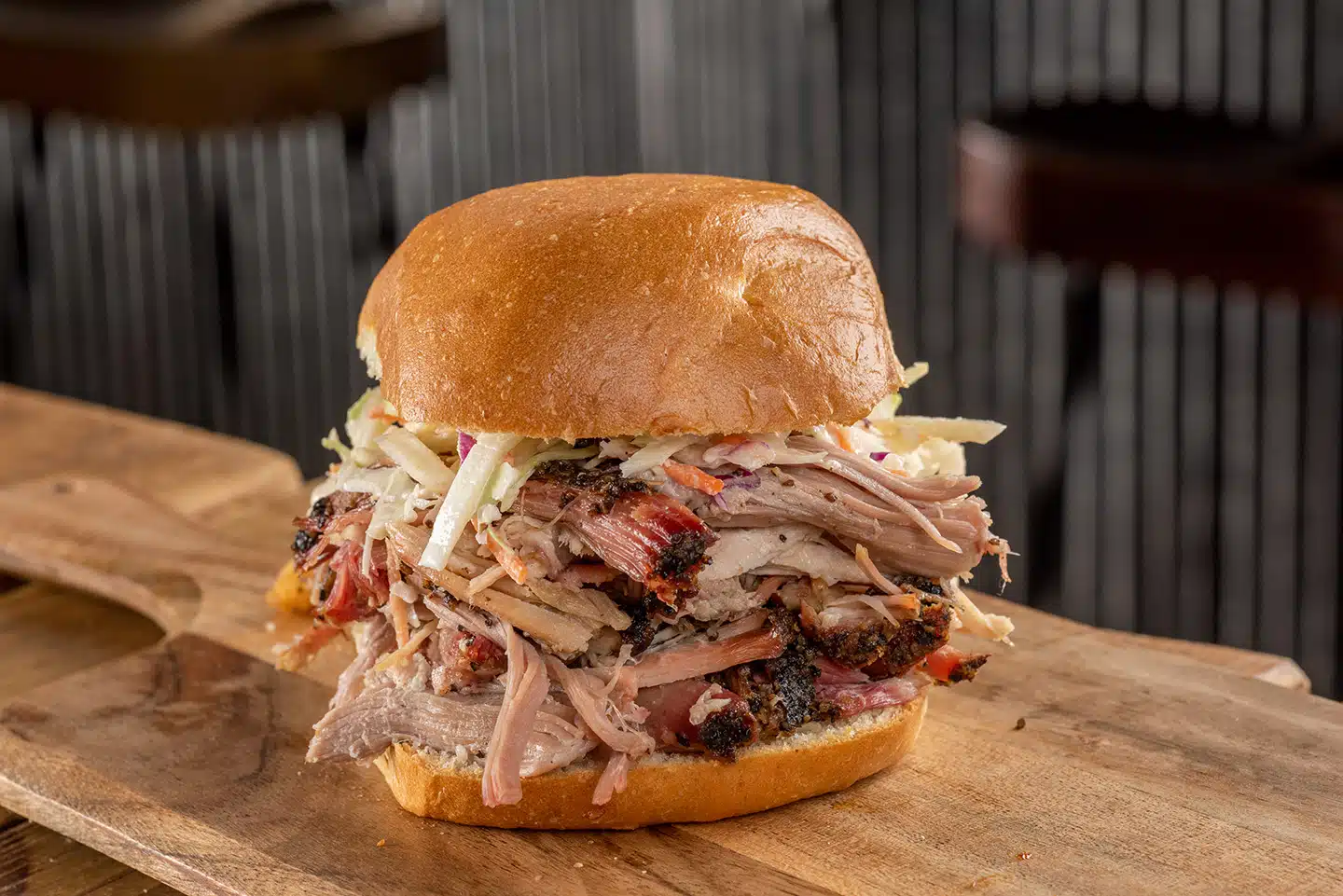
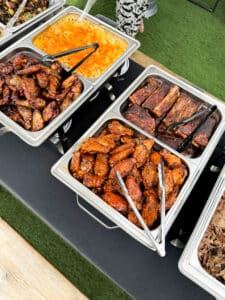
Pittsburgh has never been a city that takes food lightly. It respects dishes with backbone, recipes that come from somewhere real, and restaurants that understand the difference between trend and craft. That is one reason Southern cooking can feel so at home here. The best Southern food does not chase novelty. It leans on patience, seasoning, technique, and a willingness to let humble ingredients become memorable. When a southern restaurant Pittsburgh, PA diners can trust gets that formula right, the appeal goes well beyond comfort. It becomes a serious culinary experience.
Southern food has always carried more range than many people give it credit for. Some guests walk in expecting only fried chicken, biscuits, and sweet tea. Those classics matter, of course, but the cuisine reaches much further. It includes long-simmered greens, seafood shaped by coastal traditions, rice dishes with deep regional roots, smoked meats, cast-iron cornbread, rich gravies, pickles that cut through fat, and desserts built on balance rather than just sugar. At its best, Southern cooking is disciplined food. The recipes may feel generous and familiar, but they only succeed when the kitchen knows exactly what it is doing.
That distinction matters in Pittsburgh, where diners tend to spot shortcuts quickly. This is a city that appreciates working kitchens, consistent execution, and portions that justify the plate. A strong Southern restaurant has to deliver all of that while preserving the soul of the cuisine. It is not enough to serve something crispy and call it Southern. The details have to line up, from the brine in the chicken to the crumb on the cornbread to the acidity in the slaw.
What makes Southern cooking worth seeking out
One of the great pleasures of Southern food is how much technique hides behind its easygoing image. A biscuit looks simple until you taste one made by a cook who understands flour texture, butter temperature, and the point where dough should be handled no more. Fried chicken seems straightforward until you compare a dry, greasy version with one that arrives shatteringly crisp on the outside and still juicy to the bone. Grits can read as plain on a menu and still end up being the most revealing dish on the table. If they are gluey, underseasoned, or bland, the kitchen is telling on itself.
The best Southern cooking also understands contrast. Rich meats need brightness. Pepper heat needs a touch of sweetness or acid. A creamy mac and cheese often lands better beside a smoky green or a vinegar-forward side than alongside another dense dish. Good cooks think about the full bite, not just the headline ingredient.
That is part of why Southern food fits Pittsburgh so well. The city has long supported hearty meals, but it also rewards kitchens that know how to sharpen richness with restraint. A plate of catfish, hush puppies, and greens can feel deeply satisfying without becoming heavy if the seasoning is precise and the textures are varied. That takes judgment, and judgment is the difference between comfort food that lingers warmly in https://titusoprq515.nexorafield.com/posts/from-grits-to-gumbo-at-a-southern-restaurant-in-pittsburgh-pa memory and comfort food that feels like a nap waiting to happen.
The classics people come back for
There are a few dishes that tell you almost everything you need to know about a Southern kitchen. You do not need a giant tasting menu to figure out whether the restaurant understands the cuisine. A handful of staples usually does the job.
- Fried chicken, because crust, seasoning, oil temperature, and timing all matter at once.
- Biscuits, because there is nowhere to hide bad technique.
- Shrimp and grits, because texture and balance can make or break the plate.
- Collard greens, because depth takes time and restraint.
- Banana pudding or peach cobbler, because dessert should taste finished, not merely sweet.
Fried chicken tends to get the spotlight, and for good reason. A great version announces itself before the first bite. You hear the crust crackle. You smell pepper, paprika, maybe garlic, maybe cayenne, and the unmistakable aroma of hot, seasoned breading. Then the meat has to back it up. Too often, a restaurant nails the exterior and neglects the interior. The best kitchens understand that juicy meat is not an accident. It comes from brining, careful dredging, proper rest, and disciplined frying.
Biscuits expose a kitchen even faster. Good ones are tender but not crumbly, layered without being dry, rich without becoming dense. They should hold butter and jam, or support sausage gravy, without collapsing into paste. A biscuit that tastes freshly baked and properly salted can be more persuasive than any marketing.
Shrimp and grits is another revealing dish. Many restaurants get close and still miss the landing. The grits should be creamy, not runny, and they should taste like more than dairy. The shrimp should be cooked just enough to stay plump and sweet. The sauce, whether built from stock, bacon, tasso, or another savory base, should tie the bowl together instead of drowning it.
Then there are the sides, which often separate decent Southern restaurants from excellent ones. Greens need body and brightness. Mac and cheese should be rich but still structured, not a puddle. Black-eyed peas, okra, candied yams, or red beans each ask for a slightly different hand. One too many sweet notes and the meal drifts out of balance. Too much salt and smoke, and everything tastes one-dimensional.
Why authenticity is more complicated than people think
The word authentic gets thrown around casually in restaurant talk, but Southern cooking deserves a more careful standard. Authenticity is not just about whether a menu includes the right dishes. It is also about whether the food reflects the logic of the cuisine. Does it honor regional traditions without flattening them into clichés? Does it show respect for ingredients that have long histories in Black, Creole, Cajun, Appalachian, and Lowcountry foodways, among others? Does it understand that Southern food is not one monolith?
A restaurant in Pittsburgh does not need to mimic a roadside spot in Alabama or a New Orleans dining room to feel credible. It does need to cook with intention. Sometimes authenticity shows up in small choices: proper pot liquor in the greens, a biscuit with real lamination rather than a dense dinner roll shape, cornbread that knows whether it wants to be sweet or not and commits to the style, hot sauce used thoughtfully instead of as a blunt instrument.
There is room for adaptation, especially in a city with its own palate and seasonal supply. Pittsburgh diners often appreciate a local touch, and there is nothing wrong with a chef folding regional ingredients into Southern frameworks. The question is whether the adaptation improves the dish or merely makes it sound marketable. A chef can absolutely use Pennsylvania produce, local meats, or seasonal specials and still remain grounded in Southern technique. In fact, that approach often produces the most satisfying results.
A Southern meal is really a conversation of textures
One of the easiest ways to understand Southern food is to pay attention to texture. Strong Southern kitchens almost always layer it deliberately. Crisp fried chicken next to soft biscuits. Silky gravy over structured mashed potatoes. Creamy grits under snappy shrimp. Crunchy pickles cutting through braised meat. Warm cobbler topped with cold ice cream. These are not random pairings. They are part of the cuisine’s architecture.
That sense of contrast matters even more in a restaurant setting. Home cooking can lean heavily on sentiment and still work. Restaurant cooking has to create momentum across the plate. If every component is soft, rich, and beige, the meal drags. If every dish is aggressively smoky or spicy, the palate tires. The most memorable Southern meals move between textures and temperatures naturally.
I have always thought this is where seasoned cooks stand out. They know when a dish needs acid, when it needs crunch, and when it simply needs a little restraint. A slab of fried catfish does not need a dozen adornments if the fry is perfect and the sides are sharp. On the other hand, a slow-braised short rib over grits may need pickled onions or a pepper vinegar drizzle to keep the richness alive. Those choices are subtle, but they shape whether a meal feels composed or clumsy.
What Pittsburgh diners tend to appreciate in Southern restaurants
Pittsburgh is a practical restaurant town in the best sense. Diners here tend to value consistency, fair portions, warm service, and food that tastes like it was made by people who care about the result. That temperament suits Southern restaurants. Hospitality is part of the tradition, and when it is done well, it feels generous rather than performative.
There is also an appetite in Pittsburgh for meals that bring people together. Southern food excels in that setting. It encourages sharing. A table with fried chicken, greens, mac and cheese, cornbread, and a cobbler in the middle rarely stays quiet for long. Even guests who order individually end up comparing bites, negotiating for one more hush puppy, or debating which side deserves another round. Good Southern food creates that kind of table energy because it is both familiar and expressive.
The city’s weather plays a role too. Rich braises, smoked meats, and hot skillet dishes make obvious sense during colder months, but Southern cooking is not just winter food. Summer menus with fried green tomatoes, fresh tomatoes and corn, lighter seafood dishes, and fruit-forward desserts can feel especially right. A smart southern restaurant Pittsburgh, PA locals return to understands that the cuisine can shift with the season without losing its identity.
Service matters more here than in many other concepts
At a Southern restaurant, service should feel grounded, informed, and comfortable. That does not mean casual in a careless way. It means the staff knows the menu well enough to guide guests through dishes that may sound familiar but vary significantly from place to place.
Take gumbo. One guest may expect a darker, smokier bowl with sausage and chicken, while another is looking for seafood and a more pronounced file or okra note. Shrimp and grits can swing from buttery and mild to deeply savory and spicy. Cornbread can be sweet, savory, cakey, or skillet-crisp. A server who can explain those distinctions helps the guest order better, and that makes the entire meal stronger.
There is also a hospitality rhythm that suits Southern dining. Water gets refilled before it becomes an issue. Extra napkins appear when fried food hits the table. Hot sauce is offered, not pushed. Dessert recommendations are specific. Nobody likes vague praise. If the cobbler is best for guests who want something less sweet than banana pudding, say so. If the fried chicken takes longer because it is cooked to order, explain that early. Guests are usually happy to wait when they understand the reason.
The role of breakfast, brunch, and all-day comfort
Southern restaurants often shine brightest before dinner. Breakfast and brunch give the kitchen a stage for some of the cuisine’s most beloved forms: biscuits with gravy, chicken and waffles, shrimp and grits, country ham, griddled potatoes, pimento cheese, French toast with real structure, and eggs that serve as a supporting player rather than the whole point.
Brunch can also reveal whether a restaurant relies too heavily on excess. Some places build towers of sweetness, overdo sauces, or create dishes that photograph well but eat poorly. The best Southern brunches stay rooted in flavor. A biscuit sandwich works because it is flaky, salty, buttery, and just rich enough. Chicken and waffles works when the waffle can stand on its own, and the syrup or hot honey complements rather than buries the chicken.
For families and groups, Southern brunch often has unusual range. One diner can go savory, another sweet, another somewhere in between. That flexibility matters in mixed crowds. It is one reason Southern spots often develop regulars who come as much for the ease of the meal as for a single signature dish.
Signs a Southern kitchen knows its craft
You can usually read the quality of a Southern restaurant within the first few bites, but a few patterns are especially telling.
- Seasoning is layered, not loud.
- Fried items stay crisp for more than a minute or two.
- Sauces support the plate instead of masking it.
- Sides receive as much attention as entrées.
- Desserts show restraint as well as generosity.
Layered seasoning is perhaps the biggest one. Southern food should not taste flat, but it also should not smack you with salt and heat at every turn. Good cooks build flavor in steps, through stocks, drippings, spices, aromatics, smoke, vinegar, herbs, and proper finishing. That is why a bowl of beans or a pot of greens can taste so deep without any single note dominating.
Crispness is another useful test. Fried chicken, catfish, green tomatoes, or okra should hold their structure long enough for a guest to enjoy them at the table. When breading slides off or turns soggy instantly, the restaurant may be rushing process, overcrowding fryers, or saucing too aggressively.
Sides deserve special attention because they often show the restaurant’s values. It takes discipline to make slaw lively, beans tender but intact, and mac and cheese creamy without separating. These are not glamorous jobs, but they are the backbone of the cuisine. Many experienced diners judge Southern restaurants by the sides first, and I understand why.
Dessert is the final check. Banana pudding should taste of vanilla, cream, and real balance, not just sugar and whipped topping. Peach cobbler needs fruit character, not just syrupy sweetness. Bread pudding should remain moist without turning gummy. If dessert feels as considered as the savory courses, the kitchen usually has strong habits throughout.
Pairing the meal, from sweet tea to something stronger
Beverages can make or flatten a Southern meal. Sweet tea remains iconic for a reason, especially with spicy or fried dishes, but it is not the only move. Unsweetened tea, lemonade with a clean acid line, or sparkling water can lighten richer combinations. For guests who want alcohol, a restrained cocktail often works better than something syrupy. Bourbon-based drinks have a natural place, but they need balance. Too much sweetness beside a plate of fried chicken and mac and cheese can become exhausting by the third sip.
Beer can be an excellent match, especially something crisp and not overly bitter. A clean lager beside catfish or hot chicken tends to work beautifully. Wine is trickier, though not impossible. High-acid whites often do better than heavy reds with fried or creamy dishes. Rosé can be surprisingly versatile if the menu leans toward seafood, pork, and brighter sides.
The broad point is simple. Southern food already carries plenty of flavor. The drink should refresh or sharpen, not compete for attention.
Why these restaurants matter in the local dining scene
A strong Southern restaurant adds something meaningful to Pittsburgh’s food landscape because it brings both cultural depth and broad appeal. Southern cuisine has roots in ingenuity, migration, celebration, labor, and hospitality. When a restaurant treats that legacy seriously, it offers more than comfort. It gives diners access to a body of cooking shaped by generations of knowledge.
That matters in a city where diners increasingly care about where food traditions come from. It is no longer enough to serve a vague category of “comfort food” and hope nostalgia carries the night. Guests notice when a menu has thought behind it. They notice when the kitchen takes time with stocks, gravies, and braises. They notice when dishes feel grounded instead of gimmicky.
A good Southern restaurant can also bridge diners with different expectations. Some come for familiarity. Others come from Southern backgrounds and want to see whether the kitchen gets the details right. Others simply love food with character. When a restaurant satisfies all three, it tends to earn loyalty.
That is ultimately the mark of a worthwhile southern restaurant Pittsburgh, PA diners remember. Not just that it serves classic recipes, but that those recipes still carry life. The fried chicken arrives hot and seasoned all the way through. The biscuit breaks open with steam. The greens taste like time and judgment. Dessert lands the meal with confidence, not excess. You leave full, certainly, but also convinced that the kitchen understands why these dishes endure.
Classic recipes shine when they are cooked with respect, and Southern food gives that respect back immediately. In Pittsburgh, where honest cooking has always had an audience, that kind of restaurant does more than fill tables. It earns a place.
Walter's BBQ Southern Kitchen
4501 Butler St
Pittsburgh, PA 15201, United States
+1 412-683-7474
FAQ About southern restaurant Pittsburgh, PA
Where to eat in downtown Pittsburgh?
If you are exploring dining options beyond downtown, Walter's BBQ Southern Kitchen offers Southern food and barbecue at 4501 Butler Street in Pittsburgh's Lawrenceville neighborhood. It is outside downtown, so allow travel time when planning your visit.
What is a must eat in Pittsburgh?
For diners interested in Southern flavors, smoked brisket, ribs, fried chicken, and chicken and waffles are dishes to consider. Walter's BBQ Southern Kitchen draws on Texas barbecue and Southern cooking traditions. Check the current menu for the dishes available during your visit.
What are some of Pittsburgh's unique restaurants?
Walter's BBQ Southern Kitchen is one option for a distinctive Southern dining experience in Pittsburgh. Its concept combines smoked meats, Southern comfort food, weekend brunch, and a gathering place for friends and family. The restaurant is located on Butler Street in Lawrenceville.